
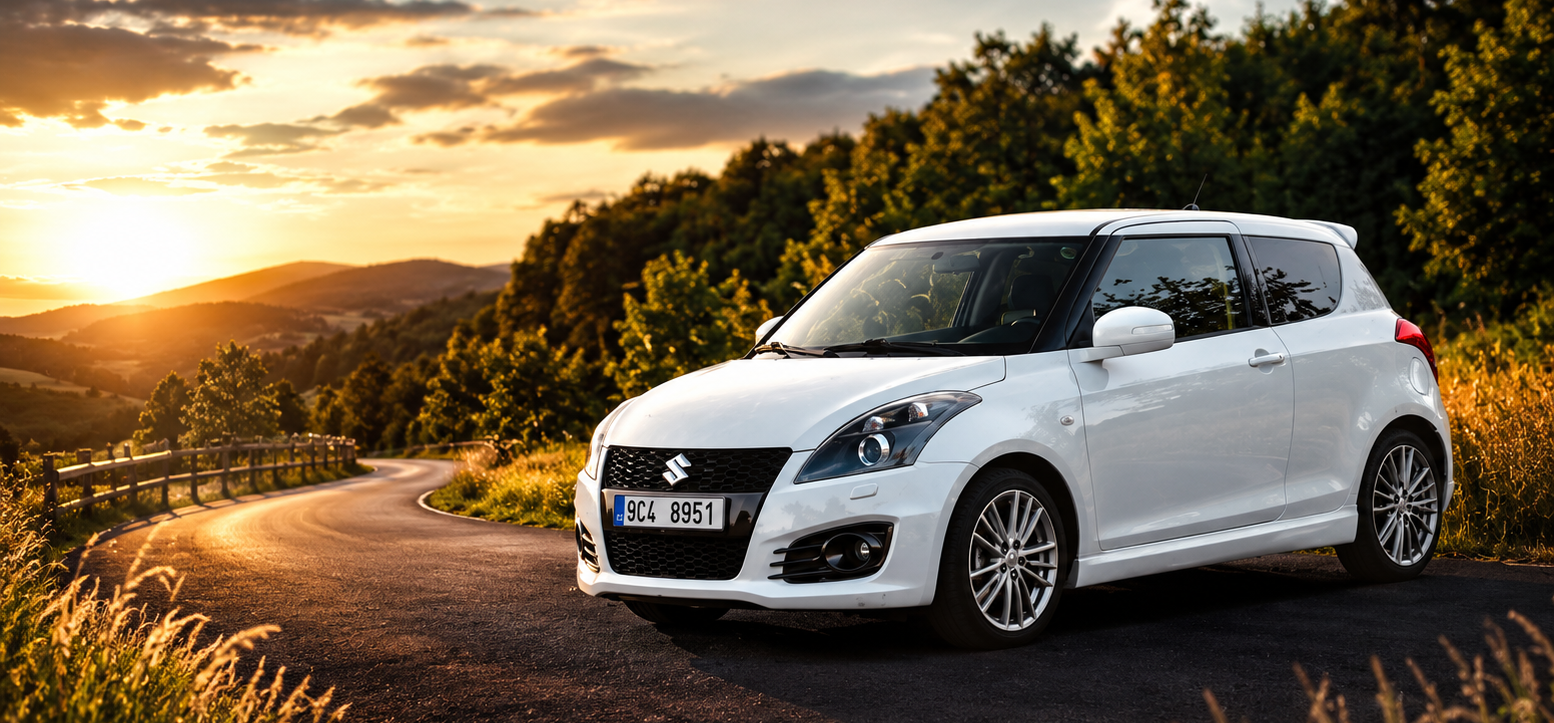
Small cars have always had a strong place on Australian roads, and that’s not changing anytime soon. While SUVs continue to grow in popularity, plenty of drivers still prefer a hatchback or compact car that’s affordable to own, easy to park and economical to run. From daily commuters in Sydney and Melbourne to first-time buyers in regional Australia, small cars remain one of the smartest choices for everyday driving.
We’ve spent years transporting vehicles between every major city and regional town across Australia. During that time, we’ve seen buying habits change, new models enter the market and older favourites continue to hold their value. Some small cars are regularly booked for interstate transport because buyers know they’re dependable, while others become popular simply because they’re difficult to find locally.
This guide isn’t based on a single test drive or manufacturer brochure. It’s built around the vehicles Australians continue to buy, sell and move across the country every day. We’ve looked at running costs, reliability, safety, practicality, resale value and overall ownership experience to help you compare the small cars that genuinely deserve a spot on your shortlist.
Whether you’re buying your first car, replacing an older vehicle or purchasing from an interstate dealership, this guide will help you understand which small cars are worth considering before you make your decision.
How We Chose the Best Small Cars in Australia
There isn’t one small car that’s right for everyone. A hatch that’s ideal for a university student in Melbourne might not suit a family travelling between regional towns, while someone buying their first car will usually have different priorities to a driver replacing a long-term family vehicle.
Rather than ranking cars on brand reputation alone, we looked at the things that genuinely matter once you own the vehicle. Over the years, we’ve transported thousands of cars between dealerships, private sellers, auction houses and customers across Australia. That gives us a unique view of the models people continue to buy with confidence, keep for years or actively search for when purchasing interstate.
For this guide, each vehicle was considered against the factors that most Australian buyers care about:
Reliability
Some small cars develop a reputation for lasting well beyond 200,000 kilometres with routine servicing. Others can become expensive once they’re out of warranty. Long-term ownership matters just as much as the purchase price.
Running Costs
Fuel consumption is only one part of the equation. We also considered servicing, replacement parts, insurance, registration and everyday ownership costs that can add up over time.
Safety
Modern driver assistance systems and strong ANCAP safety ratings are now expected by many buyers. Vehicles that offer good occupant protection and practical safety technology naturally stand out.
Practicality
Boot space, rear-seat comfort, cabin storage and ease of parking all make a difference in day-to-day driving. A compact car should still be practical enough to handle shopping, work and weekend travel without feeling cramped.
Resale Value
Some vehicles consistently attract buyers in the used market, helping owners retain more of their investment when it’s time to upgrade. Strong resale demand is often a sign that a model has earned the trust of Australian motorists.
Overall Ownership Experience
Not every great car has the biggest engine or the latest technology. Sometimes the best choice is simply the one that’s dependable, affordable to own and easy to live with year after year.
Every car in this guide has earned its place because it performs well across these areas, rather than excelling in just one category. The aim isn’t to crown a single winner, but to help you find the small car that best suits your budget, lifestyle and driving needs.
Quick Comparison of the Best Small Cars in Australia
If you’re short on time, the table below provides a quick snapshot of some of Australia’s most popular small cars. We’ve compared them on the factors buyers usually look at first, including estimated starting price, fuel economy, ANCAP safety rating and the type of driver each vehicle is best suited for.
Note: Prices are approximate drive-away or entry-level prices and may vary between states, dealerships and optional features. Fuel economy figures are based on manufacturer combined-cycle claims and can differ depending on driving conditions.
| Vehicle | Approx. Starting Price (AUD) | Fuel Economy* | ANCAP Safety | Best Suited For |
| Toyota Yaris | From $30,000 | 3.3–5.4L/100km | ★★★★★ | Daily commuters, first-time buyers |
| Mazda 2 | From $29,000 | 5.0L–5.4L/100km | ★★★★★ | Reliable everyday driving |
| Suzuki Swift | From $25,000 | 4.8L–5.4L/100km | ★★★★★* | Students, city driving, budget-conscious buyers |
| Kia Picanto | From $22,000 | Around 5.4L/100km | ★★★★ | Affordable urban driving |
| MG3 Hybrid+ | From $28,000 | Around 4.3L/100km | Not yet rated (current model) | Value-focused buyers |
| Hyundai i30 Hatch | From $30,000 | 6.0L–7.0L/100km | ★★★★★ | Families and commuters |
| Toyota Corolla Hatch | From $33,000 | 4.0L–6.0L/100km | ★★★★★ | Long-term ownership and resale value |
| Volkswagen Golf | From $39,000 | Around 5.8L/100km | ★★★★★ | Drivers wanting premium features |
| BYD Dolphin | From $30,000 | Electric | ★★★★★ | Buyers switching to EVs |
| GWM Ora | From $36,000 | Electric | ★★★★★ | City-based electric driving |
* Fuel economy varies by engine, transmission and model variant.
* ANCAP ratings may differ for older model years.
Before You Decide…
The “best” small car isn’t always the one with the lowest purchase price or the longest equipment list. A vehicle that’s ideal for city commuting may not be the right fit if you’re regularly travelling long distances, carrying passengers or planning to keep the car for the next ten years.
In the next section, we’ll take a closer look at each model, including its strengths, potential drawbacks and the type of buyer it’s best suited to.
10 of Australia’s Best Small Cars
Choosing the right small car isn’t simply about buying the cheapest model or the one with the longest list of features. The best option depends on how you drive, where you live and what you expect from the car over the next five or ten years.
The vehicles below have built strong reputations among Australian drivers for different reasons. Some are known for outstanding reliability, others for low running costs, excellent resale value or fuel efficiency. A few have become increasingly popular with buyers purchasing interstate because the right model, colour or specification isn’t always available close to home.
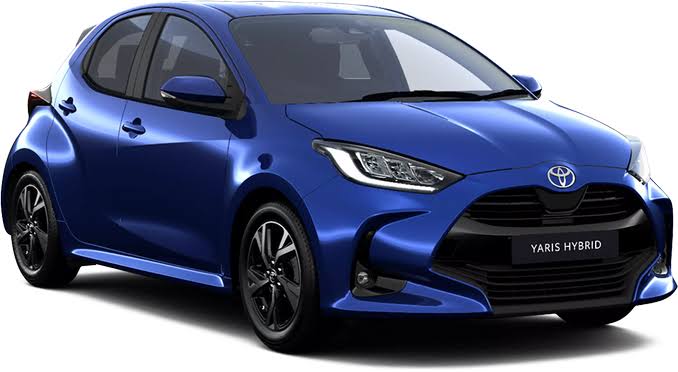
Rather than ranking these cars from first to tenth, we’ve focused on what each one genuinely does well. Every vehicle in this guide has earned its place based on the factors Australian buyers consistently consider before making a purchase, including reliability, safety, practicality, ownership costs and long-term value.
Whether you’re buying your first hatchback, replacing an older family car or sourcing a vehicle from another state, these are the small cars we believe deserve a place on your shortlist.
Toyota Yaris
The Toyota Yaris has earned its reputation the old-fashioned way—by proving itself year after year. While it isn’t the biggest hatchback in its class or the cheapest to buy, Australians keep coming back to it because ownership is refreshingly uncomplicated. Stay on top of routine servicing and a Yaris is likely to deliver years of dependable motoring without unpleasant surprises.
Buyers are often comfortable purchasing a Yaris without seeing it in person first, particularly when the vehicle has a complete service history and sensible kilometres. If the service history checks out and the kilometres are right, many customers will organise transport from another state rather than settle for a higher-priced or less suitable example closer to home. That level of buyer confidence isn’t something every small car enjoys.
What We Like
Reliability has always been the Yaris’ biggest selling point, and strong resale values are a natural result of that reputation. It’s a car people buy intending to keep for years, and that reputation has been earned over multiple generations rather than clever marketing.
Hybrid models are especially appealing for drivers who spend most of their week commuting through city traffic, helping reduce visits to the bowser over time.
Compact dimensions make everyday driving noticeably easier, whether you’re squeezing into a tight parking bay or navigating older suburban streets.
Demand remains consistently strong in the used market, particularly for well-maintained examples with documented service histories.
Things to Consider
The rear seats aren’t particularly spacious, especially if adults regularly travel in the back, and the boot can feel limiting if you’re carrying larger items on a regular basis.
Strong buyer demand also means used Yaris models often command higher prices than similarly aged competitors.
Best Suited To
First-home buyers, commuters, retirees and anyone chasing dependable motoring will find plenty to like about the Yaris. It’s also a sensible option for owners planning to keep their next car well beyond the warranty period.
Move Oz Wheels Insight
The Toyota Yaris is one of the small hatchbacks we regularly transport between dealerships, private sellers and customers across Australia. We often see buyers sourcing hybrid models or low-kilometre examples from interstate when local availability is limited. For many people, arranging professional vehicle transport is a straightforward way to secure the right car without compromising on condition or price.
Mazda 2
If you’re the sort of driver who enjoys being behind the wheel rather than simply getting from A to B, the Mazda 2 deserves a closer look. It’s been one of Australia’s most respected light cars for years, combining dependable Japanese engineering with a driving experience that feels more refined than many of its direct competitors.
The Mazda 2 isn’t a car that relies on flashy styling or oversized touchscreens to win buyers over. Its appeal comes from solid build quality, predictable handling and a reputation for staying dependable long after the warranty has expired. That’s why it continues to attract everyone from young professionals and retirees to drivers downsizing from larger vehicles.
From what we see across Australia’s interstate vehicle market, the Mazda 2 is also a popular choice among buyers looking for well-maintained used cars. It’s common for customers to purchase one from another state when they find a low-kilometre example with a complete service history rather than waiting for the right vehicle to appear locally.
What We Like
One of the Mazda 2’s biggest strengths is the way it drives. The steering feels precise, visibility is good and the suspension strikes a nice balance between comfort and control. Whether you’re navigating suburban streets or spending time on the motorway, it feels planted and confidence-inspiring.
The cabin is another highlight. While it doesn’t try to compete with larger hatchbacks for space, the fit and finish often feel a step above many cars in the same category. Everything is laid out logically, making it easy to live with every day.
Like most Mazdas, reliability has helped build its reputation. Owners who keep up with routine servicing are often rewarded with years of dependable motoring, which is one reason the Mazda 2 continues to perform well in the used car market.
Things to Consider
Rear passenger space is adequate rather than generous, especially if taller adults regularly sit in the back. Buyers needing extra room for growing families may find a Hyundai i30 or Toyota Corolla Hatch a better fit.
Another point worth considering is that the Mazda 2 isn’t usually the cheapest option in its class. You’re often paying a little more upfront for its stronger build quality and long-term reputation.
Best Suited To
The Mazda 2 is an excellent choice for commuters, couples, retirees and anyone wanting a small hatchback that feels well built without moving into a more expensive premium segment. It’s particularly appealing to drivers who value refinement and long-term reliability over chasing the lowest purchase price.
Move Oz Wheels Insight
We regularly transport Mazda 2s purchased through interstate dealerships and private sellers, particularly low-kilometre examples that have been well maintained. Buyers are often willing to arrange transport from another state because good used Mazda 2s tend to hold their value and don’t stay on the market for long.
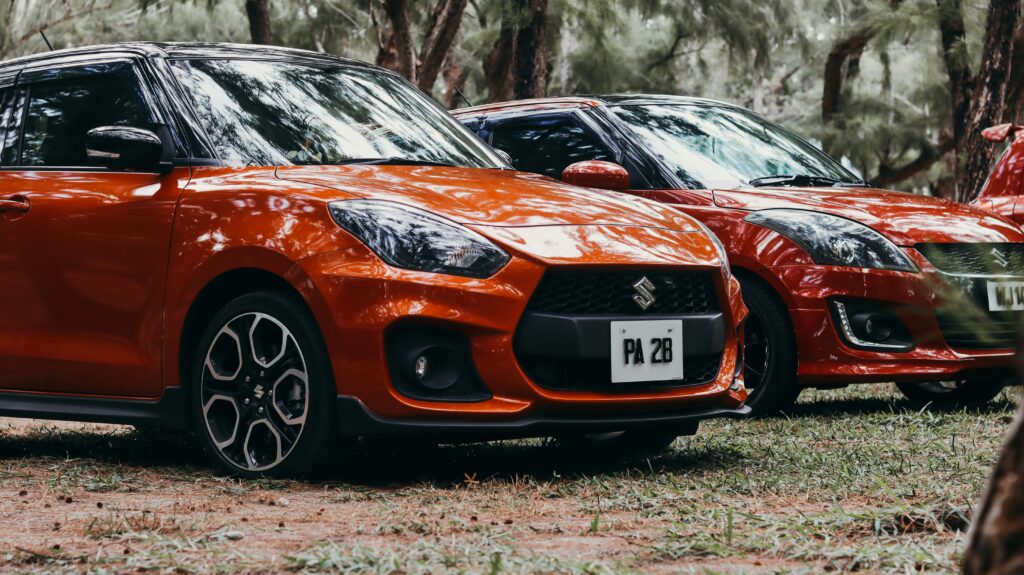
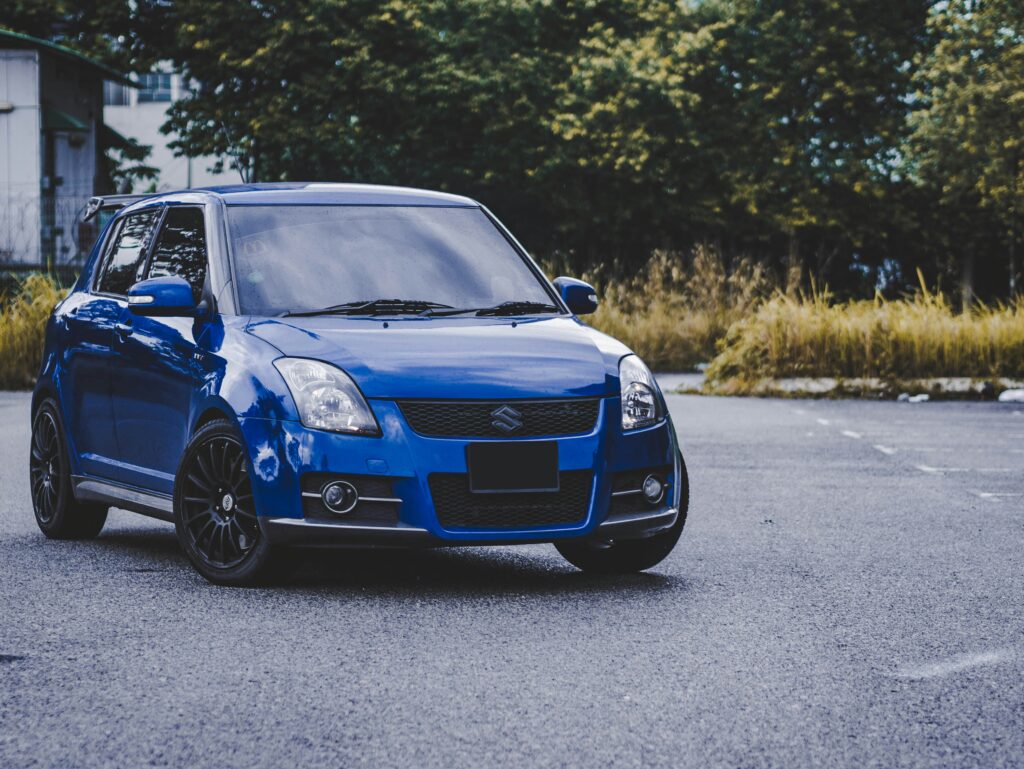
Suzuki Swift
The Suzuki Swift has been a familiar sight on Australian roads for years, and it’s easy to see why. It has never tried to be the biggest, fastest or most luxurious hatchback in its class. Instead, it’s built a loyal following by being affordable to own, economical to run and genuinely easy to live with every day.
For many Australians, the Swift is their first new car. It’s a popular choice for students, young professionals, couples and even retirees who no longer need a larger family vehicle. Buyers also tend to be practical—they’re looking for a car that’s dependable rather than one loaded with features they’ll rarely use.
What We Like
Affordable ownership has always been the Swift’s biggest strength. Fuel bills stay reasonable, servicing is generally affordable and replacement parts are widely available across Australia. For anyone watching their budget, those savings quickly add up over the years.
Its compact dimensions also make everyday driving less stressful. Whether you’re navigating city traffic, parking at a busy shopping centre or commuting to work each morning, the Swift feels well suited to Australian urban life without sacrificing comfort for the driver and front passenger.
Another reason the Swift continues to attract buyers is its strong reputation in the used market. Well-maintained examples with a documented service history often generate plenty of interest, which is why many buyers expand their search beyond their local area and organise car transport to secure the right vehicle instead of settling for what’s available nearby.
Things to Consider
The Swift is designed as a practical city hatchback, so rear passenger space and boot capacity are naturally more limited than what you’ll find in larger small cars. If you regularly travel with adults in the back or need extra room for family holidays, stepping up to a larger hatchback may be worth considering.
While it performs confidently around town, buyers who spend most of their time covering long motorway distances may appreciate the additional cabin space and refinement offered by larger alternatives.
Is It Right for You?
If your priorities are affordability, reliability and straightforward ownership, the Suzuki Swift is difficult to overlook. It suits first-time buyers, commuters and anyone looking for a hatchback that’s inexpensive to own without feeling like a compromise.
It’s also one of those cars that buyers are often prepared to purchase from interstate when they find a well-maintained example at the right price. As long as the vehicle has a solid service history and has been properly cared for, buying outside your home state can significantly increase your options without adding unnecessary kilometres before you take ownership.
Toyota Corolla Hatch
If you’re looking for a small hatchback but don’t want to feel like you’re compromising on space or everyday practicality, the Toyota Corolla Hatch deserves serious consideration. It’s been one of Australia’s most trusted passenger cars for decades, evolving with each generation while holding onto the qualities that made it popular in the first place—reliability, comfort and strong long-term value.
The Corolla Hatch often appeals to buyers who have outgrown smaller cars like the Yaris or Swift but aren’t ready to move into an SUV. Extra cabin space gives passengers noticeably more room, extra luggage space and a more relaxed driving experience, making it equally comfortable on the daily commute or a weekend trip away.
What We Like
Versatility is the Corolla Hatch’s biggest strength. It feels just as comfortable navigating busy suburban streets as it does covering longer distances between cities. That flexibility makes it a practical option for singles, couples and small families who want one car that can handle almost everything.
Toyota’s reputation for reliability continues to work in the Corolla’s favour. Owners often keep them for many years because routine servicing is straightforward and the car has earned a reputation for dependable day-to-day ownership rather than demanding constant attention.
Hybrid variants have become particularly popular in recent years, giving buyers another reason to consider the Corolla. They deliver impressive fuel savings without asking owners to change the way they drive, making them an attractive option for people covering plenty of kilometres each week.
Things to Consider
The Corolla Hatch usually costs more than entry-level small hatchbacks, so buyers working within a tight budget may find better value elsewhere. That higher purchase price is often balanced by strong resale demand, but it still requires a larger upfront investment.
The sporty rear styling also comes with one compromise. Visibility through the back can feel more restricted than some competitors, although most drivers quickly become accustomed to it.
Long-Term Value
The Corolla Hatch has built a reputation as a car people buy with confidence, whether it’s brand new or several years old. Because demand remains consistently strong across Australia, buyers often widen their search to interstate dealerships or private sellers when the right model isn’t available locally. In many cases, arranging interstate transport services makes more financial sense than settling for a vehicle that doesn’t quite meet their expectations.
For buyers planning to keep their next car for many years, the Corolla Hatch remains one of the safest long-term choices in the Australian market. It isn’t about chasing trends—it’s about owning a car that continues to make sense long after the excitement of buying it has passed.
Hyundai i30
The Hyundai i30 has quietly become one of Australia’s most well-rounded hatchbacks. It doesn’t rely on one standout feature to attract buyers. Instead, it delivers a combination of practicality, comfort and value that suits a wide range of Australian drivers, which is why it continues to be a common sight on city streets and regional roads alike.
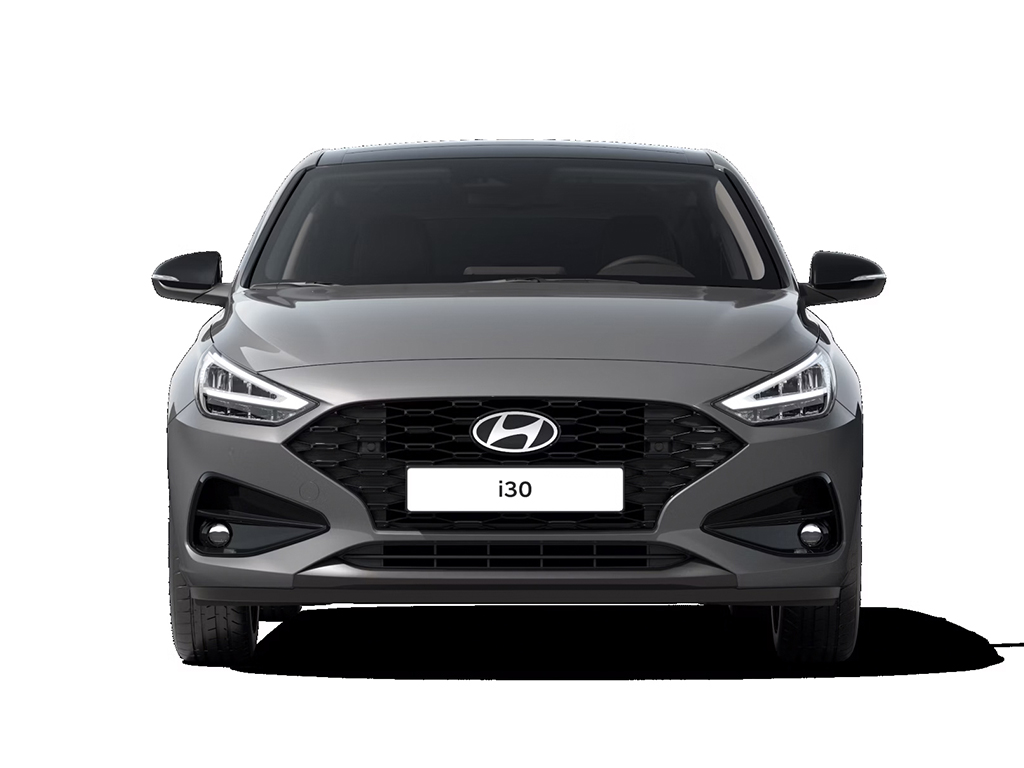
Unlike smaller hatchbacks that are primarily designed for urban commuting, the i30 offers enough cabin space to comfortably handle everyday family duties without feeling oversized. It’s equally at home on the school run, the daily commute or a weekend drive out of town.
What We Like
Space is one of the i30’s biggest advantages. Both front and rear passengers have more room than many vehicles in the light car segment, while the boot is practical enough for shopping, luggage or sporting equipment without constantly playing a game of Tetris.
Hyundai has also built a solid reputation for offering good value. Buyers receive a well-equipped hatchback that’s comfortable to live with and backed by one of the stronger warranty programs available in Australia, giving many owners additional peace of mind.
Another reason the i30 remains popular is its broad appeal. It’s just as suitable for a young couple buying their first new car as it is for a family wanting to downsize from an SUV without giving up everyday practicality.
Things to Consider
Because the i30 sits in a slightly larger category than cars like the Yaris or Swift, it naturally costs more to buy and run. Fuel consumption and servicing remain reasonable, but buyers focused purely on minimising ownership costs may prefer a smaller hatchback.
Its larger footprint also means it isn’t quite as effortless to park in tight inner-city spaces compared with some of the more compact alternatives in this guide.
Why So Many Australians Keep Coming Back
One of the i30’s biggest strengths is that it rarely gives owners a reason to replace it quickly. Many buyers return to another i30 when it’s time to upgrade because the car has already proven itself over years of ownership. If you’re looking for a hatchback that comfortably balances everyday practicality with long-term dependability, the Hyundai i30 continues to be one of the safest choices on the market.
Kia Picanto
The Kia Picanto proves that bigger isn’t always better. As Australia’s smallest new hatchback, it’s built for drivers who want uncomplicated, affordable motoring without paying for space or performance they’ll rarely use.
For people living in busy suburbs or regularly navigating crowded shopping centres, the Picanto’s compact size quickly becomes one of its biggest advantages. Finding a parking space is easier, tight streets are less intimidating and everyday running costs remain among the lowest in the new car market.
What We Like
Affordability is the Picanto’s biggest drawcard. It remains one of the most accessible new cars available in Australia, making it an attractive option for first-time buyers, students and anyone looking for dependable transport without stretching their budget.
Despite its small size, the cabin has been designed to make the most of the available space. Front passengers have plenty of room for everyday driving, while the controls are simple, logical and easy to get used to from day one.
The Picanto also benefits from Kia’s long warranty, which continues to give buyers confidence when comparing it with other entry-level hatchbacks. It’s one of the reasons the model has developed a loyal following over the years.
Things to Consider
The Picanto is at its best around town. If your routine involves frequent motorway driving or long regional trips, you’ll probably appreciate the extra cabin space, engine performance and luggage capacity offered by larger hatchbacks.
Rear seating is best suited to children or occasional passengers rather than four adults travelling together for extended periods.
Who Will Appreciate It Most?
The Kia Picanto is an excellent fit for drivers who want a simple, economical hatchback that keeps ownership costs under control. It’s particularly appealing for learners, city commuters and households looking for an affordable second vehicle.
Before purchasing any vehicle, it’s also worth checking your vehicle insurance options, as premiums can vary depending on the driver’s age, location and the specific model you choose.
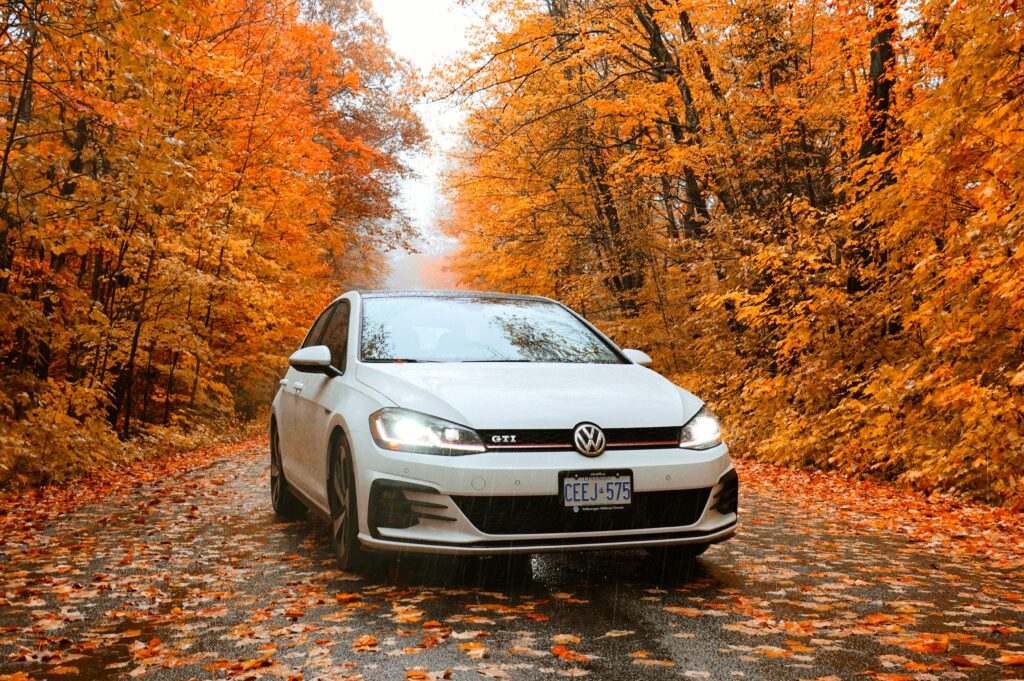
Volkswagen Golf
Few hatchbacks have the history or reputation of the Volkswagen Golf. While many competitors focus on keeping costs as low as possible, the Golf has always appealed to buyers who are prepared to spend a little more for a more refined ownership experience.
It isn’t usually the cheapest option in the showroom, but that’s never really been its purpose. Buyers choose the Golf because they appreciate its build quality, comfortable ride and the confidence that comes with owning a hatchback that’s been a benchmark in its class for decades.
What We Like
The Golf feels equally comfortable around town and on longer country drives. For buyers who regularly cover long distances, that extra refinement becomes noticeable over time and helps explain why many owners stay loyal to the model.
The interior is another standout. Everything feels thoughtfully designed, from the seating position to the overall layout of the cabin. Rather than trying to impress with unnecessary gimmicks, it delivers a driving environment that’s practical and comfortable to live with every day.
The Golf also appeals to buyers who enjoy driving without needing a high-performance vehicle. It feels composed and well balanced, making everyday journeys feel relaxed rather than tiring.
Things to Consider
Owning a European vehicle can bring higher servicing and repair costs compared with many Japanese or Korean competitors. That doesn’t make the Golf expensive to own, but it’s worth factoring into your budget before making a purchase.
Used examples with a complete service history are generally a smarter investment than cars with missing maintenance records, particularly if you’re buying from outside your local area.
Is It Worth Paying More?
For many buyers, the answer is yes. If your budget allows, the Golf offers a level of refinement that’s difficult to ignore. It isn’t trying to be the cheapest hatchback on the market—it’s designed for drivers who place long-term comfort and overall driving quality ahead of simply saving money on the purchase price.
MG3 Hybrid+
The latest MG3 Hybrid+ represents a significant step forward for the MG brand. Earlier models built their reputation on affordability, but the new generation adds hybrid technology to the equation, giving buyers another option if they’re looking to reduce fuel costs without stretching their budget to a more expensive hybrid hatchback.
For Australians who spend plenty of time commuting, that’s a combination that’s becoming increasingly attractive.
What We Like
Value remains one of the MG3 Hybrid+’s strongest selling points. Buyers receive hybrid efficiency at a price that challenges many traditional petrol-powered competitors, making it easier to step into hybrid ownership without a substantial jump in cost.
The updated interior also feels more modern than previous generations, giving the car a more polished feel for everyday use.
Another advantage is that buyers no longer have to choose between affordability and lower fuel consumption. The MG3 Hybrid+ brings those two priorities much closer together, making it worthy of consideration for budget-conscious households.
Things to Consider
Because this is still a relatively new model, it doesn’t yet have the long ownership history enjoyed by vehicles like the Corolla or Yaris. Some buyers may prefer waiting to see how the model performs over several years before making a decision.
As with any new vehicle purchase, it’s worth comparing total ownership costs rather than focusing solely on the advertised purchase price.
Who Should Consider the MG3 Hybrid+?
The MG3 Hybrid+ is well suited to buyers who want the benefits of hybrid technology while keeping their overall budget under control. If you’re comparing value rather than brand heritage, it deserves a place on your shortlist.
BYD Dolphin
Electric vehicles are no longer a niche purchase in Australia, and the BYD Dolphin has played a major role in making them accessible to everyday buyers. Rather than positioning itself as a luxury EV, the Dolphin focuses on practicality, affordability and low running costs, giving more Australians the confidence to consider making the switch.
For drivers whose weekly routine consists of commuting, shopping and local travel, it offers many of the advantages people expect from an electric vehicle without entering premium price territory.
What We Like
Low running costs are among the Dolphin’s biggest attractions. Charging at home is generally more economical than regularly filling a petrol vehicle, particularly for drivers who cover consistent weekly kilometres.
The cabin also feels spacious for a compact hatchback, making it practical enough for everyday family life while remaining easy to manoeuvre in urban environments.
As Australia’s charging network continues to expand, electric ownership has become far more practical than it was only a few years ago, encouraging more buyers to seriously consider an EV for the first time.
Things to Consider
Buying an electric vehicle requires a slightly different mindset. Before making the switch, buyers should consider where they’ll charge the vehicle, how often they travel long distances and whether home charging is a realistic option.
If you’re purchasing from another state, arranging professional car movers is often a practical alternative to driving an unfamiliar electric vehicle hundreds of kilometres before you’ve had time to settle into EV ownership.
Should You Make the Switch?
If most of your driving is local and you have convenient access to charging, the BYD Dolphin offers an affordable entry point into electric motoring. It’s one of the strongest examples of how quickly Australia’s EV market is evolving.
GWM Ora
The GWM Ora has entered the Australian market with a very different approach to traditional small hatchbacks. Its distinctive styling immediately stands out, but underneath the design is an electric vehicle aimed at everyday drivers who want something practical, efficient and a little different from the crowd.
While some buyers are drawn to the Ora because of its appearance, many stay interested because of the value it offers compared with other electric vehicles in the same price range.
What We Like
The Ora provides many of the features buyers now expect from a modern EV without pushing into luxury-car pricing. It combines everyday usability with a comfortable cabin, making it well suited to commuting and suburban driving.
Its compact dimensions also make it easy to live with in built-up areas where parking and traffic are part of daily life.
For buyers entering the EV market for the first time, the Ora offers an approachable alternative to more established electric models while still delivering the benefits that attract people to battery-powered vehicles.
Things to Consider
As with any emerging automotive brand, resale values and long-term ownership trends are still developing. Buyers who traditionally keep a vehicle for ten years may wish to consider how the market continues to evolve over time.
It’s also worth spending time understanding local charging options before making the move to an electric vehicle, particularly if you don’t have access to home charging.
A Different Take on the Small Hatchback
The GWM Ora won’t appeal to everyone, and that’s perfectly fine. Buyers looking for a traditional petrol hatchback may naturally lean towards brands they’ve known for years. However, for Australians ready to embrace electric driving without spending luxury-car money, the Ora has established itself as a genuine contender rather than simply another new arrival.
Buying a Small Car in Australia: What to Check Before You Buy
Finding the right small car is only part of the decision. Whether you’re buying new, used or sourcing a vehicle from another state, spending a little extra time before handing over your money can save you thousands of dollars later.
Here are a few checks that are well worth making before you commit to a purchase.
Don’t Judge a Used Car by Its Kilometres Alone
Low kilometres can be appealing, but they don’t always tell the full story. A well-maintained car that’s travelled 120,000 kilometres with a complete service history is often a safer purchase than one showing half the distance but little evidence of regular maintenance.
Ask for service records, check when major maintenance was completed and look for signs that the previous owner has taken care of the vehicle rather than simply driving it less.
Have the Vehicle Inspected if You’re Buying Interstate
Buying from another state has become increasingly common, particularly when the right vehicle isn’t available locally. While photos and online listings make searching easier, they shouldn’t replace an independent inspection.
A qualified inspection can identify accident repairs, mechanical concerns or signs of excessive wear before you finalise the purchase. It gives buyers greater confidence, especially when they haven’t had the opportunity to inspect the vehicle themselves.
Understand the Total Cost of Ownership
The purchase price is only one part of the equation.
Fuel, servicing, tyres, registration and vehicle insurance all contribute to what a car will actually cost you over the years you own it.
Sometimes a vehicle with a slightly higher purchase price proves to be the better financial decision simply because it holds its value well and costs less to maintain over time.
Research the Model, Not Just the Price
Every used car tells a different story.
Spend a little time researching the model you’re considering rather than focusing only on finding the cheapest example available. Owner forums, independent reviews and service bulletins can provide valuable insight into common issues, ownership costs and long-term reliability.
The cheapest listing isn’t always the best value.
Buying from Another State Can Open Up More Choice
Australia’s used car market varies from one state to another. A particular model, colour or trim level might be difficult to find locally but readily available elsewhere.
Many buyers now compare vehicles nationwide before making a decision. Even after factoring in car transport, purchasing interstate can still represent better overall value if you’re getting a vehicle in better condition or with lower kilometres.
Don’t Rush the Paperwork
Before taking ownership, confirm that the seller can provide all relevant documentation, including proof of ownership, service records and any available warranty information.
It’s also worth checking whether there is any finance owing on the vehicle and ensuring the VIN matches the paperwork before completing the transaction.
A few extra minutes spent verifying documents can prevent unnecessary problems later.
Think Beyond the Day You Buy It
It’s easy to focus on the excitement of collecting a new car, but ownership starts long after you’ve driven away.
Ask yourself a few simple questions:
- Will this car still suit my lifestyle in five years?
- Are servicing costs realistic for my budget?
- Will it comfortably handle the kilometres I drive each year?
- Is there enough space if my circumstances change?
Buying with the long term in mind often leads to a better decision than chasing the lowest advertised price.
Frequently Asked Questions
What is the best small car to buy in Australia?
There isn’t a single answer because every driver has different priorities. If reliability is your main concern, the Toyota Yaris and Toyota Corolla Hatch remain among the safest long-term choices. Buyers looking for affordable ownership often lean towards the Suzuki Swift or Kia Picanto, while those considering an electric vehicle may find the BYD Dolphin or GWM Ora worth exploring.
Which small car is the cheapest to own?
Ownership costs depend on more than fuel consumption. Servicing, tyres, registration and depreciation all contribute to the total cost. Cars like the Suzuki Swift, Kia Picanto and Toyota Yaris have built strong reputations for keeping ongoing expenses manageable over the long term.
Are hybrid small cars worth buying?
For many Australians, yes. Hybrid models can reduce fuel costs, particularly if most of your driving is around town. Vehicles such as the Toyota Yaris Hybrid, Toyota Corolla Hybrid and MG3 Hybrid+ allow drivers to benefit from improved fuel efficiency without changing their driving habits or relying on public charging stations.
Should I buy a small car from another state?
If you’ve found the right vehicle, buying interstate can significantly increase your options. Many buyers search nationwide to find the right colour, specification or a well-maintained example with lower kilometres. Before committing, arrange an independent inspection and compare the overall purchase cost, including interstate car transport, rather than looking at the sale price alone.
Which small car holds its value best?
Toyota models have traditionally performed very well in the Australian used car market, with the Yaris and Corolla Hatch consistently attracting strong buyer demand. The Mazda 2 has also established a solid reputation for retaining value when properly maintained.
Is a small hatchback suitable for long-distance driving?
Yes, although some models are better suited than others. If you regularly travel between cities or spend long hours on the motorway, hatchbacks like the Toyota Corolla, Hyundai i30 and Volkswagen Golf generally provide a more comfortable experience than smaller city-focused vehicles.
What should I check before buying a used small car?
Always review the service history, inspect the vehicle carefully and confirm that all paperwork is in order before completing the purchase. It’s also worth checking for any outstanding finance and ensuring the vehicle has been properly maintained throughout its life.
How do I choose the right small car?
Start by thinking about how you’ll use the vehicle rather than simply comparing specifications. Daily commuting, family responsibilities, annual kilometres and long-term ownership costs all play an important role in deciding which hatchback will suit you best.
Conclusion
Finding the right small car isn’t about choosing the newest model or the one with the longest list of features. It’s about buying a vehicle that suits the way you drive, fits comfortably within your budget and continues to meet your needs long after the excitement of purchase has passed.
Whether you prioritise reliability, fuel efficiency, practicality or long-term value, the models featured in this guide have all earned their place through years of popularity with Australian drivers. Taking the time to compare your options, inspect the vehicle properly and think beyond the purchase price will help you make a decision you’ll be happy with for years to come.
If you find the right car outside your local area, don’t let distance limit your options. At Move Oz Wheels, we help Australians move vehicles safely between cities, regional towns, dealerships and private sellers every day. Whether you’ve purchased a hatchback from another state or simply need reliable company, we’re here to help make the process straightforward from pickup to delivery.

Leave A Comment